 Supply Chains
March 2026
Understanding Global Supply Chains
When you pick up a smartphone or a piece of clothing, you're holding the result of a journey that spans continents. Here's how to bring that journey into your classroom.
Read more

Kredovento brings fair trade and ethical consumption into secondary and high school classrooms. Practical teaching units, downloadable materials, and curriculum resources designed for teachers who want to make a difference.
Our teaching units are built around real systems, real products, and real choices. Students don't just learn about fair trade — they learn to think through it.
When a teenager picks up a chocolate bar, they're holding the result of decisions made across continents. Our teaching units make those connections visible and meaningful — not as guilt, but as understanding. We give teachers the tools to spark that conversation.
Trace products from raw material to store shelf. Who benefits at each step? Who bears the cost?
Measure, compare, and understand what our consumption requires from the planet.
Decode certifications. What does "fair trade" actually mean? What should students trust?
From circular economy to local sourcing. Practical alternatives and the systems behind them.
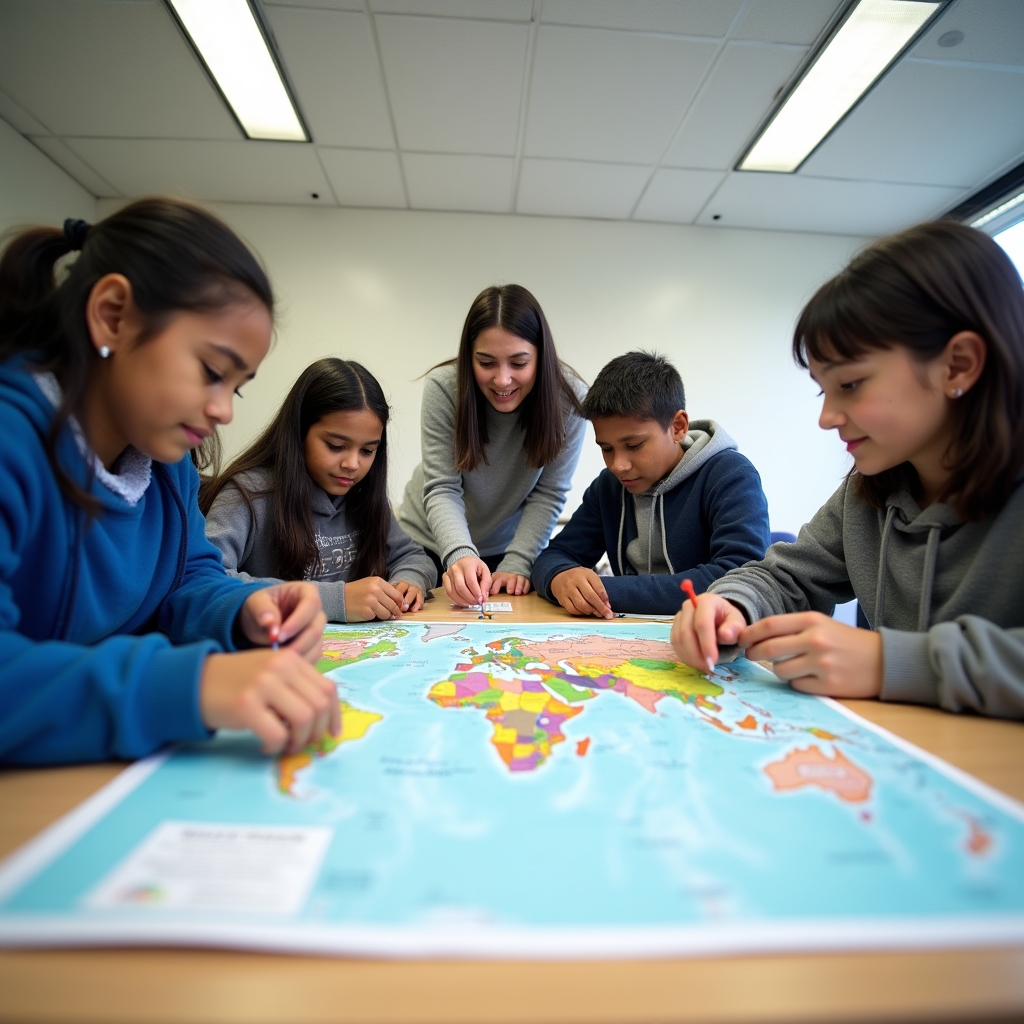
Every unit comes with lesson plans, student worksheets, assessment guides, and discussion prompts. No extra preparation needed.
View MaterialsEach unit stands alone or works in sequence. Teachers can pick what fits their curriculum — or run the full programme across a term.
Students map the journey of everyday products, discovering the human and environmental decisions embedded in each step of production and distribution.
Hands-on calculation tools and scenario planning help students connect their choices to planetary limits.
Not all labels mean the same thing. Students learn to evaluate certification schemes and ask the right questions.
From cooperative models to repair culture, students explore systems that function differently from conventional consumption.
Practical insights, teaching approaches, and deeper dives into the topics our units explore.
Supply Chains
March 2026
When you pick up a smartphone or a piece of clothing, you're holding the result of a journey that spans continents. Here's how to bring that journey into your classroom.
Read more Ecological Footprint
February 2026
The ecological footprint concept gives students a concrete framework for thinking about resource use — something measurable and personally relevant.
Read more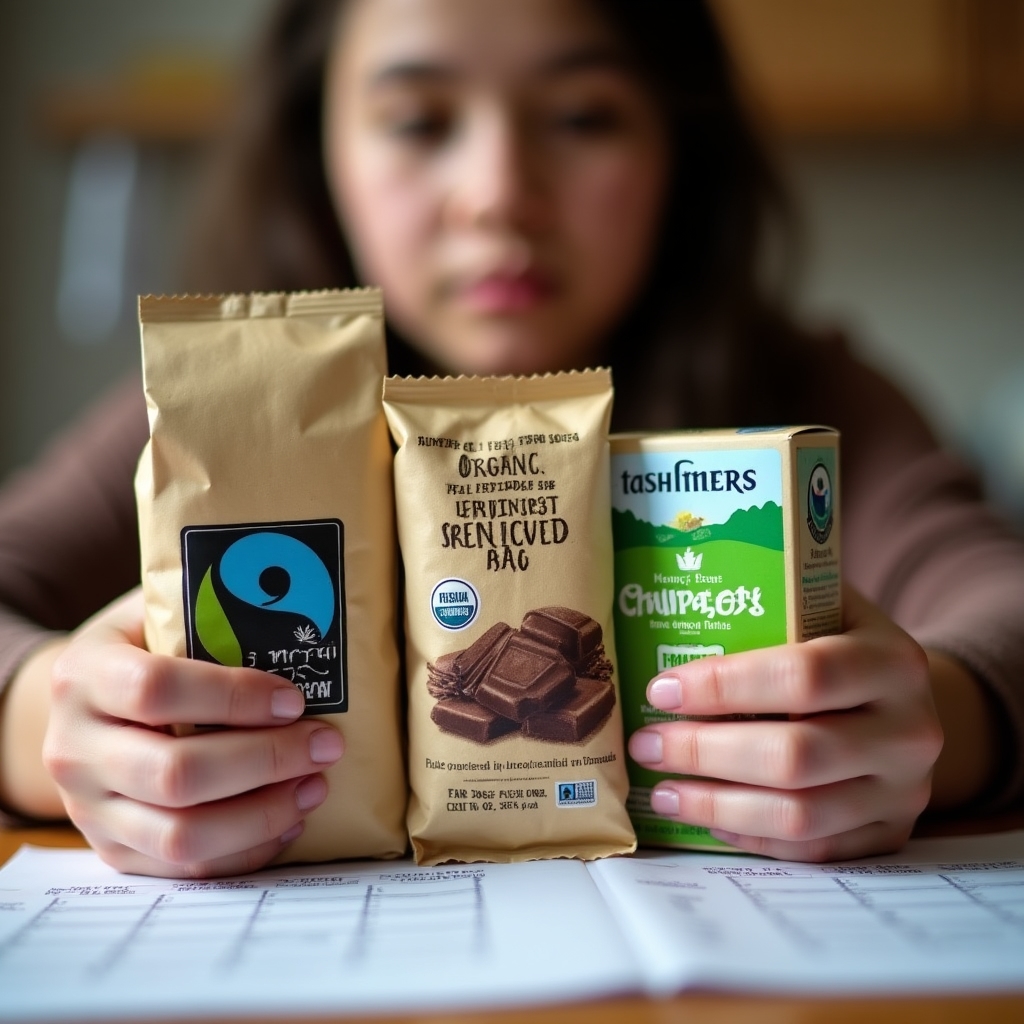 Responsible Labeling
January 2026
Fair trade, organic, Rainforest Alliance. For students in a supermarket aisle, this alphabet of certifications can feel overwhelming. Here's how to decode it.
Read more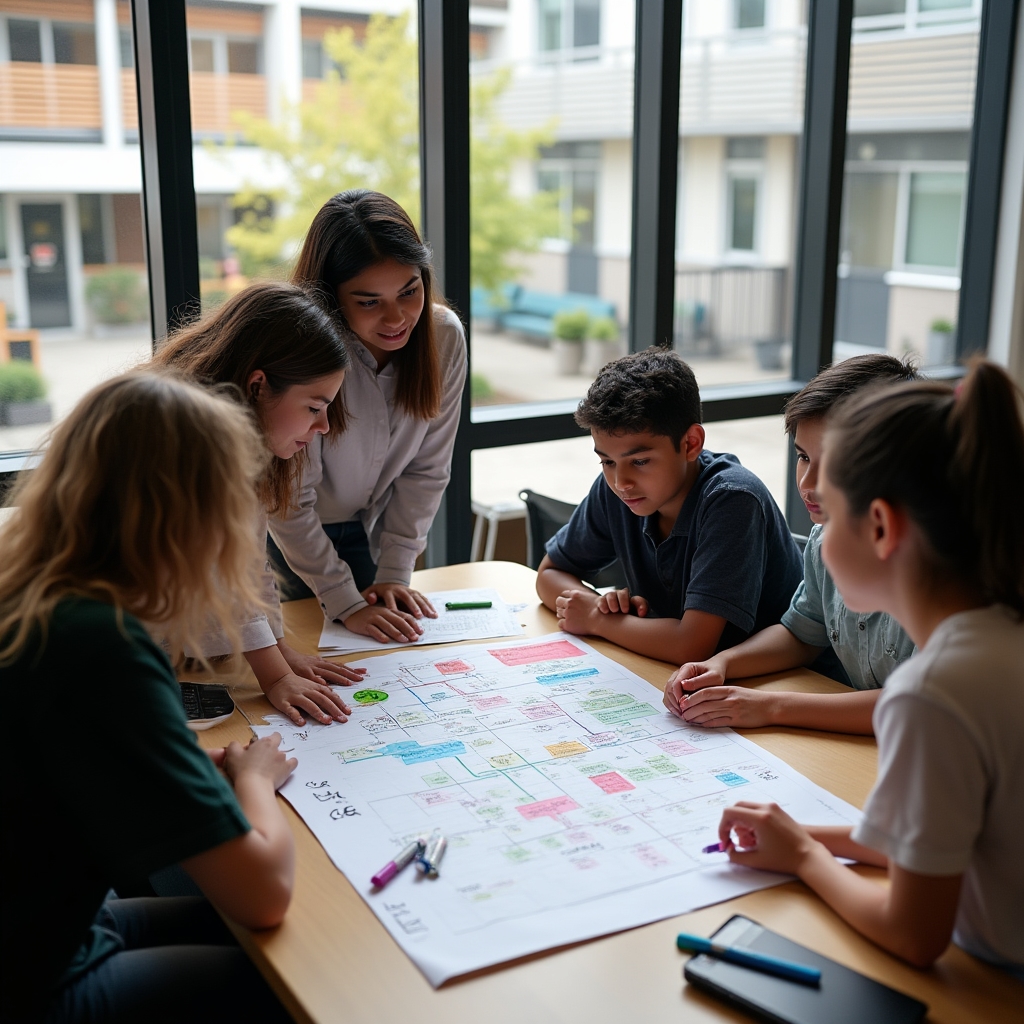


All our teaching units and curriculum materials are available to schools. Get in touch and we'll help you find what fits your programme.
Contact Us